English
 Français
 Deutsch
 Español
 عربي
عربي
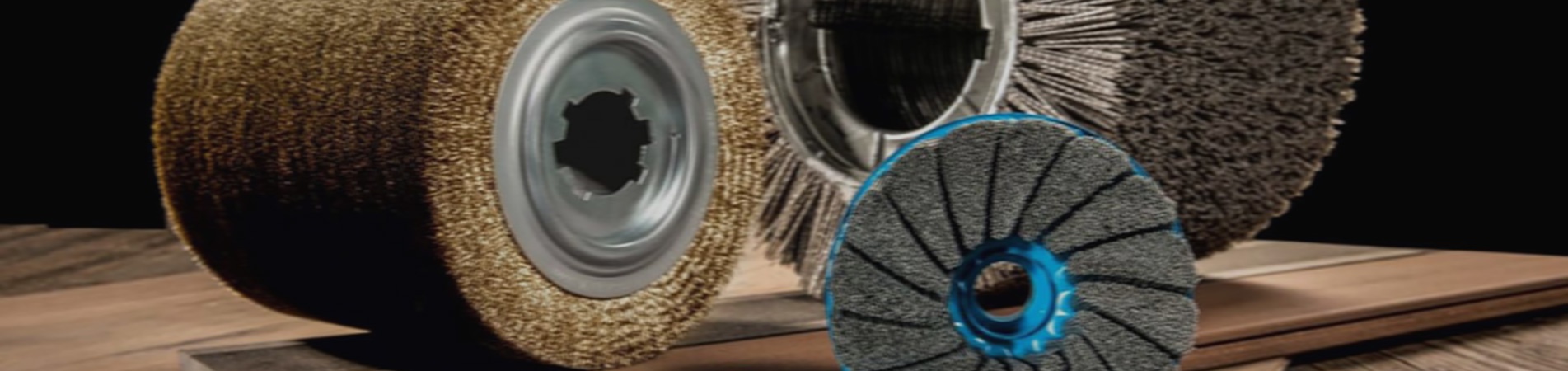
In modern textile and printing factories, machine uptime directly determines productivity, order delivery speed, and overall profitability. Even a short interruption—caused by lint buildup, static electricity, fabric misalignment, or roller wear—can lead to costly downtime.
This is why needle rollers, especially anti-static needle rollers and textile roller brushes, have become essential components in ensuring continuous operation. Their unique brushing and cleaning mechanisms help maintain stable machine performance across weaving lines, dyeing machines, slitting machines, and high-speed printing equipment.
1. Needle Rollers Prevent Lint Accumulation
Lint buildup is one of the most common causes of textile machine stoppages.
Needle rollers solve this by:
Continuously brushing excess fibers off fabric
Preventing lint from entering bearings and drive systems
Keeping printing blankets and belts clean
Maintaining consistent surface friction for high-speed operations
This automatic cleaning action reduces manual cleaning frequency and prevents unexpected machine jams.
2. Anti-Static Needle Rollers Reduce Fabric Adhesion & Misfeeding
Static electricity causes fabric to curl, stick, misfeed, or shift off alignment.
An anti-static needle roller:
Neutralizes static charges
Prevents fabric sticking to adjacent surfaces
Improves material feeding smoothness
Reduces print misalignment and yarn breakages
This is especially important in high-speed textile printing machines and automated winding lines.
3. Stabilizing Fabric Tension for Printing Machines
Proper tension is essential for printing uniformity—too tight, and the fabric stretches; too loose, and the print becomes blurred.
Needle rollers help by:
Offering consistent grip
Avoiding slippage due to moisture or fiber dust
Maintaining even fabric distribution before printing
Reducing machine stoppages caused by tension alarms
This makes them ideal printing machine rollers for rotary screen printers, digital printers, and flexographic machines.
4. Reducing Roller Wear and Extending Machine Lifespan
Compared with traditional rubber rollers, needle rollers:
Generate less frictional heat
Do not harden or crack over time
Are resistant to chemicals, dyes, and solvents
Maintain constant brushing performance even after long use
This significantly reduces maintenance intervals and improves machine availability.
5. Improving Product Quality and Reducing Rework
Consistent cleaning + anti-static control + stable tension = fewer production defects.
Needle rollers improve:
Fabric surface cleanliness
Printing clarity
Yarn evenness
Alignment accuracy
As a result, factories see fewer rejected rolls and less reprocessing—directly boosting profit margins.
6. Ideal Applications of Needle Rollers
Needle rollers are widely used in:
Textile weaving machines
Nonwoven production lines
Rotary & digital printing machines
Dyeing and finishing equipment
Laminating lines
Film and paper converting machines
If your facility relies on continuous production, a high-quality textile roller brush or anti-static needle roller can dramatically reduce downtime.
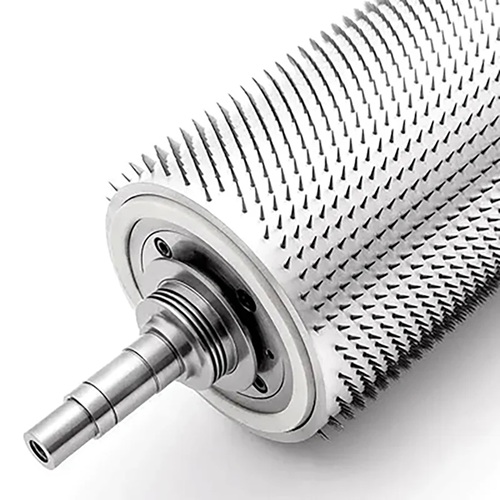
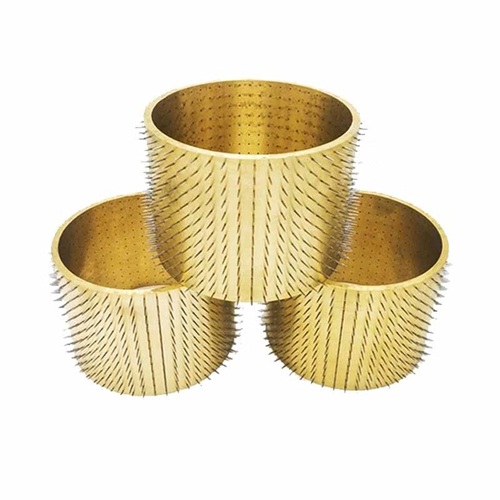
Needle rollers play a crucial role in reducing downtime for textile and printing machinery. By controlling lint, eliminating static electricity, stabilizing tension, and improving cleaning efficiency, they help factories maintain uninterrupted production—and ultimately improve output quality and profitability.
You can contact us for help in any of the following ways


Copyright © 2026 Anqing Hongyue Machinery Equipment Co., Ltd. All Rights Reserved.
 Network Supported